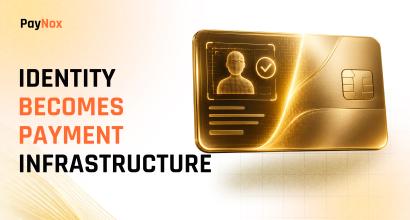

Why Fintech Companies Are Moving Toward Stablecoins for Payment Infrastructure
The most important shift in fintech today isn’t about new products. It’s about who controls the payment infrastructure — and why that control matters at scale.
The Problem with Traditional Payment Systems
Most fintech companies rely on banks and card networks to process payments. This creates three key challenges: transaction fees, settlement delays, and dependency on external systems.
Cross-border payments alone generate more than $120 billion in fees annually. Settlement can take several days. For fintech platforms operating globally, this becomes a structural limitation.
Why Stablecoins Are Becoming a Solution
Stablecoins offer an alternative approach to payment infrastructure. As digital assets pegged to fiat currencies, they allow transactions to be processed faster and at lower cost.
Instead of relying on correspondent banks, fintech companies can use blockchain-based settlement. This enables near real-time transactions and reduces the number of intermediaries involved.
Control Over Payment Rails
The key advantage of stablecoins is control.
When a fintech company integrates stablecoin-based payments, it gains more control over how transactions are processed, settled, and tracked. This reduces dependency on traditional financial infrastructure and improves operational efficiency.
Why This Shift Is Happening Now
Several factors are driving adoption:
Growth of stablecoin transaction volume (over $27 trillion annually)
More defined regulatory frameworks
Maturing blockchain infrastructure
These conditions make stablecoins more viable for large-scale financial operations.
What This Means for the Future of Payments
Fintech companies are no longer limited to existing payment systems. They are starting to build alternative infrastructure alongside traditional rails.
This shift is not about replacing banks overnight. It is about increasing flexibility, reducing costs, and improving settlement speed.
As more companies adopt stablecoin-based solutions, the gap between traditional and modern payment infrastructure will continue to grow.
Conclusion
Stablecoins are not just a crypto trend. They are becoming a strategic tool for fintech companies looking to optimize payment infrastructure.
The key question is no longer whether stablecoins will be used — but how quickly they will become a standard part of global payments.