Tokenization of Assets: The New Reality — How Real-World Value Moves On-Chain
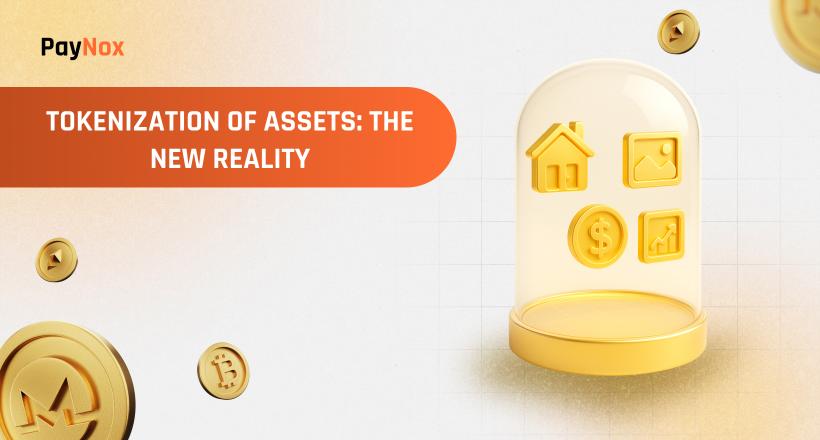
In 2025, tokenization has moved from theory to transformation. Real-world assets — from real estate and equities to art and commodities — are being converted into digital tokens that exist on the blockchain. This evolution is changing the way businesses raise capital, how investors trade, and how ownership is verified.
At its core, tokenization is about turning ownership rights into digital form. A luxury apartment, a stock, or even a corporate bond can now be represented as tokens, each symbolizing a fraction of value. These tokens can be traded instantly, without waiting for intermediaries or paperwork.
💡 The benefits are undeniable:
— Liquidity: previously illiquid assets become tradeable in seconds.
— Accessibility: anyone can invest, even with small amounts.
— Transparency: blockchain records every transaction.
— Efficiency: no middlemen, fewer costs, faster settlement.
The impact goes beyond investors. For businesses, tokenization means a global funding channel that doesn’t depend on borders or banking hours. For regulators, it introduces traceable, auditable infrastructure built on transparent data.
📊 The numbers tell the story: global financial leaders such as BlackRock and HSBC are already experimenting with tokenized funds and bonds. Market projections suggest that the total value of tokenized assets could reach $10 trillion by 2030.
But adoption isn’t just about technology — it’s about trust and usability. That’s where companies like PayNox make the difference. We’re developing compliant infrastructure that helps businesses integrate tokenized assets safely and efficiently, bridging traditional finance (TradFi) with Web3.
The tokenization era is not about replacing the old system.
It’s about upgrading it — turning static ownership into dynamic, borderless, programmable value.
🔥 Tokenized assets are here. The only question left is: will your business be part of the new reality, or stay locked in the old one?