Future of Tokenisation & Identity
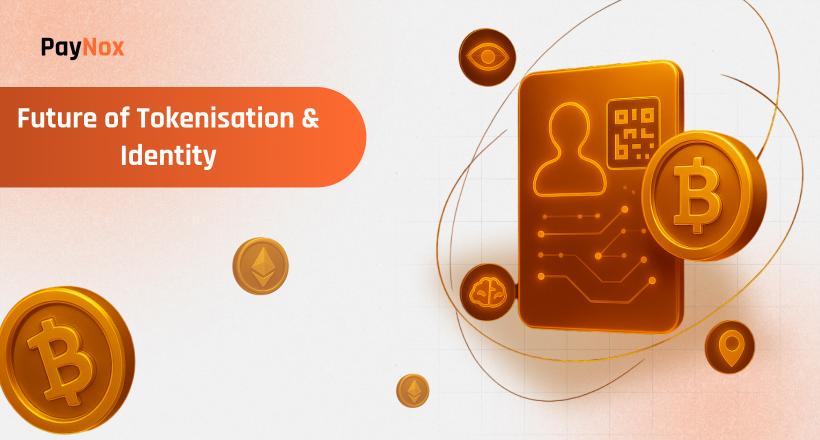
If the internet of the 2010s was about connection, then the internet of 2025 is about trust. Web3 needs more than speed or scalability — it needs systems that prove who you are and what you own. That’s where tokenisation and decentralized identity (DID) come together. 🚀
Tokenisation: Turning Value Digital 🏠
Tokenisation takes assets, rights, and access and converts them into secure, transferable tokens. It’s not just real estate or art — it’s memberships, intellectual property, even financial products. By creating digital versions of value, tokenisation unlocks liquidity, transparency, and global reach.
Decentralized Identity: Owning Yourself 🆔
With DID, users control their own digital identity. Instead of giving platforms your passport or email, you carry a wallet of verifiable credentials that you decide when to share. This protects privacy while ensuring trust.
For businesses, DID reduces compliance costs and creates smoother onboarding. For users, it means security without sacrificing control.
The Trust Layer 🤝
When tokenisation meets DID, Web3 gets its missing trust layer. A user can prove who they are and what they own — instantly, across borders, without intermediaries. This opens the door for:
✅ Frictionless financial transactions.
✅ Transparent ownership of digital and physical assets.
✅ Safer digital interactions in commerce, gaming, and governance.
Why It Matters 🌐
Without trust, no economy can scale. Tokenisation and DID provide the building blocks for a Web3 economy where value flows securely, and identity is both private and verifiable.
Final Thought 💡
2025 marks the shift from experimental apps to trusted infrastructure. The future of Web3 isn’t just decentralized — it’s tokenised and identity-driven.
👉 Would you feel safer using Web3 apps if you owned your data and assets directly?