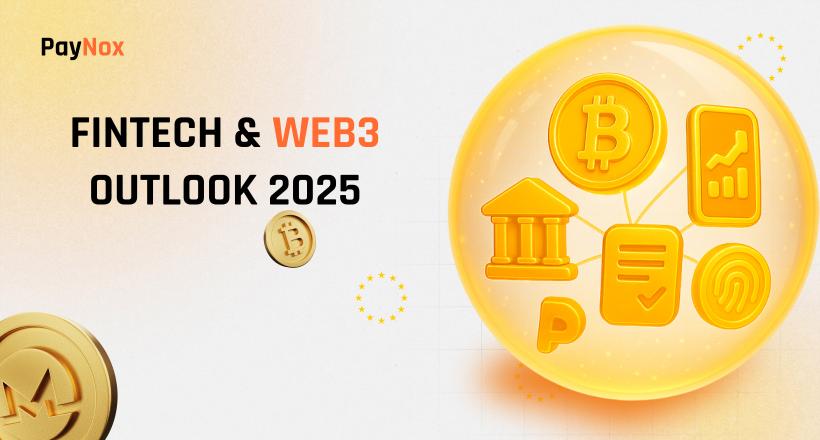
FinTech & Web3 Outlook 2025
The future of finance is no longer about “traditional vs. digital.” In 2025, the lines are blurring. Web3 and FinTech are converging, creating a system that is programmable, tokenized, and global. 🚀
1. Tokenization of Assets 🏠
Real-world assets (RWAs) like real estate, bonds, and even fine art are being converted into blockchain tokens. This provides liquidity, fractional ownership, and global accessibility. Instead of a luxury villa or a government bond being reserved for the elite, tokenization makes them tradeable like stocks.
2. Crypto ETFs 📊
Exchange-traded funds (ETFs) are becoming the bridge between Wall Street and Web3. With regulators approving more products, investors can access crypto exposure without leaving traditional platforms. This reduces barriers and accelerates mainstream adoption.
In 2025, ETFs are not just about Bitcoin or Ethereum — they’re expanding into baskets of assets, DeFi indexes, and tokenized commodities.
3. DeFi at Scale 🌍
Decentralized finance is no longer niche. With institutional adoption, DeFi protocols are scaling — providing deeper liquidity, more reliable yields, and compliance-ready products. This is the stage where DeFi proves it can rival traditional finance in efficiency and transparency.
Why It Matters ⚡
Together, tokenization, ETFs, and DeFi show how finance is being rebuilt from the ground up. They bring liquidity, accessibility, and automation to areas that were once rigid and exclusive.
For businesses, this means new opportunities for innovation. For investors, it means more accessible markets. For users, it means finance that works faster, smarter, and without borders.
Final Thought 💡
2025 isn’t about whether Web3 and FinTech will integrate — it’s about how fast. The winners will be those who understand this convergence and act early.
👉 Which of these forces — tokenization, ETFs, or DeFi — do you think will have the biggest impact by 2030?