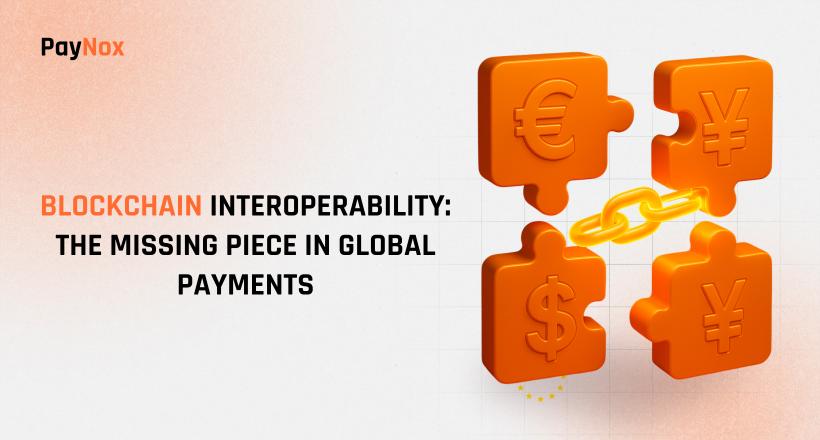
Blockchain Interoperability: The Missing Piece in Global Payments
Cross-border payments remain one of the most expensive and inefficient processes in finance. Traditional systems rely on intermediaries, slow clearing houses, and outdated standards. While blockchain introduced the idea of instant, borderless value transfer, fragmentation across networks has left global payments stuck in silos.
🔗 Why interoperability matters
Today, most blockchains operate in isolation. Sending assets from Ethereum to Solana, or converting stablecoins into digital euros, often requires complex and insecure bridges. Interoperability would allow networks to “speak the same language,” creating a unified settlement layer for money.
💡 Real-world potential
Imagine sending USD-stablecoins from the US, automatically converting into digital euros in Europe, and settling in seconds — all without banking intermediaries. This isn’t science fiction; protocols like Polkadot, Cosmos, and LayerZero are already experimenting with these models. Financial messaging standards like ISO 20022 are also paving the way for blockchain to plug into traditional rails.
🚧 The challenges
The road to interoperability isn’t smooth. Bridges have historically been among the most hacked infrastructure in crypto. Regulators are cautious about seamless cross-border transfers, fearing money laundering risks. Trust frameworks are needed so participants know exactly who they’re transacting with.
🚀 The way forward
Interoperability is more than a technical achievement. It is the key to unlocking blockchain’s global promise — where value flows as freely as information on the internet. If solved, it could redefine remittances, corporate payments, and even government-level financial agreements.
The open question: will banks and traditional players lead this transformation, or will crypto-native protocols set the standard? 🌐
👉 What do you think — who will own the future of cross-border payments?